

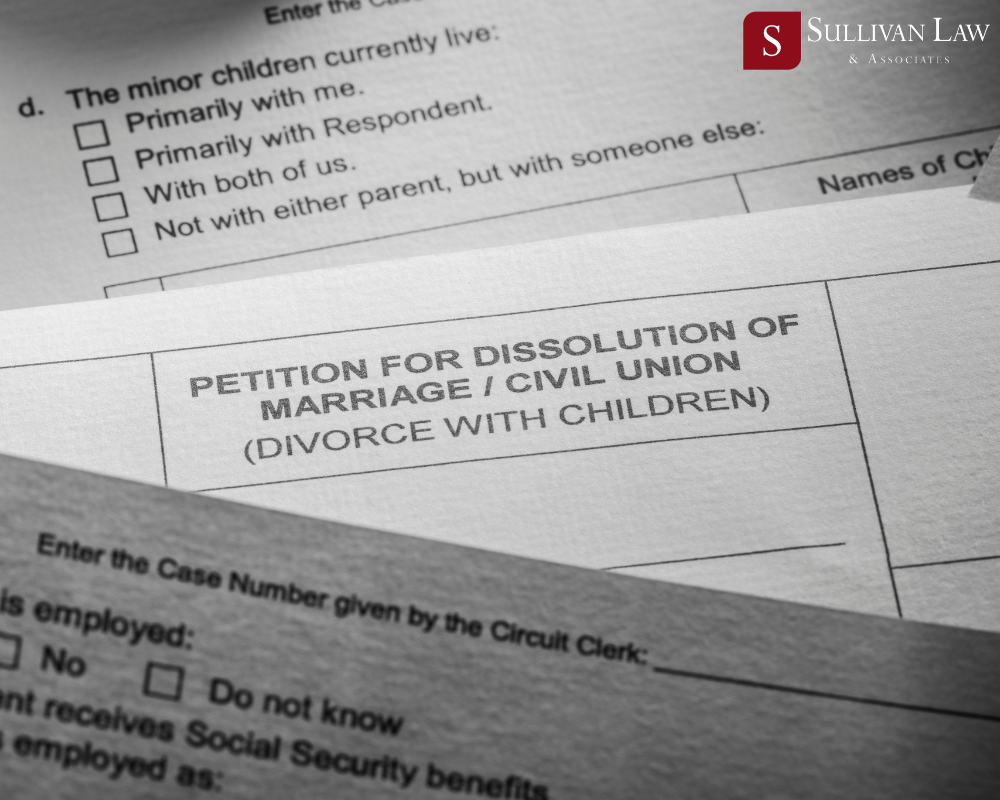

Filing for divorce in California has traditionally been an adversarial process, even when both spouses agree on the terms. One spouse files a petition, the other is formally served, and the case proceeds through a series of legal steps that can feel unnecessarily complex for couples who are already on the same page. That changed on January 1, 2026, when California introduced the joint petition for dissolution of marriage under Senate Bill 1427.
This new process gives couples a streamlined, cooperative path to ending their marriage when they have already reached agreements on property division, child custody, support, and other key issues. If you and your spouse are considering divorce and believe you can work together to resolve everything, this may be the most efficient route available.
What Is the Joint Petition Divorce Process?
Before 2026, the only joint filing option in California was a summary dissolution, which came with strict eligibility requirements. Couples had to have been married for fewer than five years, have no children, own no real property, and have limited assets and debts. That left the vast majority of divorcing couples without a cooperative filing option.
The new joint petition process eliminates those restrictions. Any married couple, regardless of how long they have been married, whether they have children, or the value of their assets, can file together. The only requirement is that both parties agree on all terms of the dissolution in writing before filing.
Under this framework, both spouses sign and submit a single petition to the court. The petition is considered served on both parties at the time of filing, which means there is no need for one spouse to formally serve the other. This alone can save weeks of time and remove one of the more uncomfortable procedural steps in the traditional process.
Who Is Eligible for a Joint Petition Divorce?
The beauty of SB 1427 is its broad eligibility. Unlike the old summary dissolution pathway, the joint petition process is available to couples regardless of the length of the marriage, the number of children, or the complexity of their financial situation. The core eligibility requirement is simple: both spouses must agree on all material terms before filing.
This includes agreement on property and asset division, spousal support or alimony, child custody and visitation schedules, child support, and the division of debts. Both parties must also agree that the marriage is irretrievably broken and that they want a dissolution rather than a legal separation.
Couples with complex financial situations, including business owners, those with significant real estate holdings, and high-net-worth individuals, can all use the joint petition process as long as they have reached full agreement on how to address their financial matters. This makes the process accessible to a much broader range of California families than the old summary dissolution option.
If there are any unresolved disputes about any of these issues, the joint petition process will not be appropriate. In that case, couples may need to explore mediation or the traditional petition and response process.
How the Joint Petition Process Works Step by Step
Reaching a Full Agreement
Before filing, both spouses must negotiate and finalize the terms of their divorce. This includes everything from how they will divide community property to their child visitation schedule. Many couples work with their respective attorneys during this stage to make sure the agreement is fair and legally sound. Some choose mediation as a way to reach consensus on sticking points.
It is important that both parties enter this agreement voluntarily and with full knowledge of the marital estate. California still requires full financial disclosure between spouses, even in a joint petition. This means both parties must exchange preliminary declarations of disclosure and final declarations, just as they would in a traditional divorce. This ensures that neither party is agreeing to terms based on incomplete or inaccurate information.
Filing the Joint Petition
Once both spouses have agreed on all terms, they jointly file the petition with the appropriate California Superior Court. Because both parties are petitioners, the traditional petitioner and respondent roles are eliminated. This reflects the cooperative nature of the process and reduces the adversarial dynamics that can arise even in amicable divorces.
The Waiting Period
California still requires a six-month waiting period from the date of filing before a divorce can be finalized. This applies to all divorces, including joint petitions. During this period, the court reviews the submitted agreements to confirm they meet legal requirements and that both parties entered into them voluntarily.
Finalization
After the waiting period has elapsed and the court is satisfied that the agreement is complete, fair, and voluntary, the judgment of dissolution is entered. This is when the divorce becomes official. From this point forward, both former spouses are legally single and bound by the terms outlined in their agreement.
Key Benefits of Filing a Joint Petition
The joint petition process offers several meaningful advantages over traditional divorce filings. First, it is faster. Because there is no need for formal service of process and no separate response filing, couples can move through the procedural timeline more quickly.
Second, it is more affordable. Fewer procedural steps mean fewer attorney hours and lower court costs. Couples who have already negotiated their terms may find that the total cost of their divorce is significantly reduced compared to a traditional contested or even uncontested case.
Third, it is less adversarial. The traditional process inherently pits one spouse against the other, even when there is no real dispute. By filing together, couples signal to the court and to each other that they are working as a team to close this chapter of their lives respectfully.
Finally, the process is more private. Because there are fewer filings and fewer procedural steps, there is less information in the public court record. For couples who value discretion, especially those with significant property and assets, this can be an important consideration.
What Happens If One Spouse Changes Their Mind?
One of the important safeguards built into the joint petition process is the ability for either spouse to revoke the petition at any time before the judgment is entered. If one party decides they no longer agree to the terms, or if new information comes to light that changes the negotiation, they can withdraw from the joint petition.
When this happens, the case does not simply disappear. Instead, it converts into a traditional dissolution proceeding where one party is the petitioner and the other becomes the respondent. The case then follows the standard California divorce process, including formal service, disclosures, and potentially contested hearings.
This safety net ensures that neither spouse is locked into an agreement they no longer support. It also means that the joint petition process carries relatively low risk for couples who are mostly aligned but want to preserve their options.
How This Differs from Summary Dissolution
It is important to distinguish the new joint petition process from California’s existing summary dissolution option. Summary dissolution remains available for couples who meet its strict criteria, including marriages under five years, no children, no real property, and limited assets and debts. The summary dissolution process does not require a court appearance and can be completed more quickly.
The joint petition, by contrast, is available to any couple that has reached a full agreement, regardless of the complexity of their situation. Couples with children, extensive assets, business interests, or long marriages can all use this process. It fills the gap that existed for couples who were cooperative but did not qualify for summary dissolution.
The Role of Attorneys in the Joint Petition Process
While the joint petition process is designed to be more streamlined, it does not eliminate the need for legal guidance. In fact, having an experienced family law attorney review the terms of your agreement before filing is one of the most important steps you can take. An attorney ensures that your agreement complies with California law, that your rights are fully protected, and that the terms are enforceable.
This is particularly important in cases involving complex financial issues, such as the division of retirement accounts, business valuations, or separate property claims. Even when both parties are cooperating, the legal and financial details of a divorce can be nuanced, and an oversight during the agreement phase can have long-lasting consequences.
Should You Consider a Joint Petition Divorce?
If you and your spouse have been able to communicate openly about the terms of your divorce, and you have reached or are close to reaching a comprehensive agreement, the joint petition process may be the right choice. It is particularly well suited for couples who want to minimize conflict, reduce costs, and move forward as efficiently as possible.
However, it is not the right choice for every situation. If there are unresolved disputes about custody, support, or property, or if there is a power imbalance between the spouses, the traditional process may provide better protections. A knowledgeable family law attorney can help you evaluate your options and determine which path makes the most sense for your circumstances.
How Sullivan Law and Associates Can Help
At Sullivan Law and Associates, we help clients across Orange County navigate every aspect of the divorce process, from initial consultations through final judgments. Whether you are considering a joint petition or need guidance on a more complex dissolution, our experienced attorneys are here to protect your interests and help you move forward with confidence.
If you think the joint petition process might be right for you, we can review your situation, help you and your spouse finalize your agreement, and handle the filing on your behalf. Contact us today to schedule a consultation and learn more about how we work with families navigating divorce in California.